Post-closure account guidance – Great Britain
Kachingo Withdrawals After Closure: Balances, Complaints & Next Steps
 Available in GB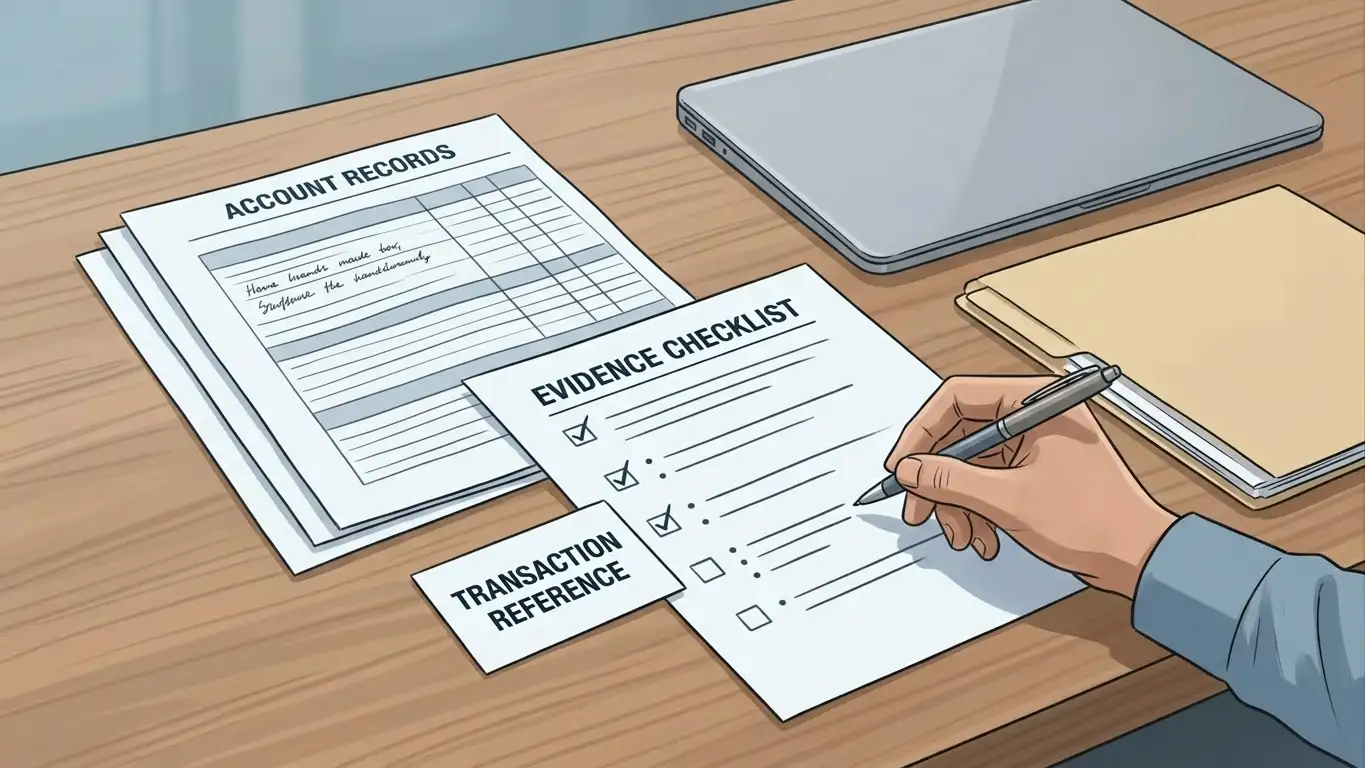
An outstanding balance or pending withdrawal after Kachingo’s closure is a legacy account issue, not a normal request to a live cashier. The former method list and processing-time descriptions cannot determine how an individual post-closure claim will be handled.
The Gambling Commission directs customers to complain to the business first and, where eligible, to Alternative Dispute Resolution if a dispute remains unresolved. The Commission does not decide individual transaction complaints. Any outstanding Kachingo claim depends on the account history and the applicable process; no repayment amount or timetable is guaranteed.
For the wider brand history and current closure context, use the Kachingo overview. The steps below deal only with an old balance, withdrawal or complaint.
Table of Contents
- First steps for an outstanding Kachingo balance
- A legacy balance claim is not a live cashier withdrawal
- What Gambling Commission closure guidance says about customer funds
- The complaint sequence for a former Kachingo account
- Build one evidence file before you escalate
- Do not rely on stale login, bonus or payment pages
- What ADR and the Gambling Commission can and cannot do
- Keep the account dispute separate from the old cashier
- What former Kachingo players can still do about outstanding funds
First steps for an outstanding Kachingo balance
- Confirm that the issue belongs to the old Kachingo account. Use the registered email address, account identifier, transaction reference and any closure correspondence you still hold.
- Write down the exact amount and transaction involved. Separate a cash balance from a withdrawal request, bonus dispute, chargeback or other account issue.
- Use the closure or support contact supplied in your existing Kachingo account correspondence. Send one clear written complaint rather than repeating the same request across unrelated channels.
- Keep copies of everything. Save your complaint, acknowledgements, replies, account captures, transaction records and dates.
- Escalate only after the operator complaint process. For an eligible unresolved dispute, follow the ADR route given for the account or operator.
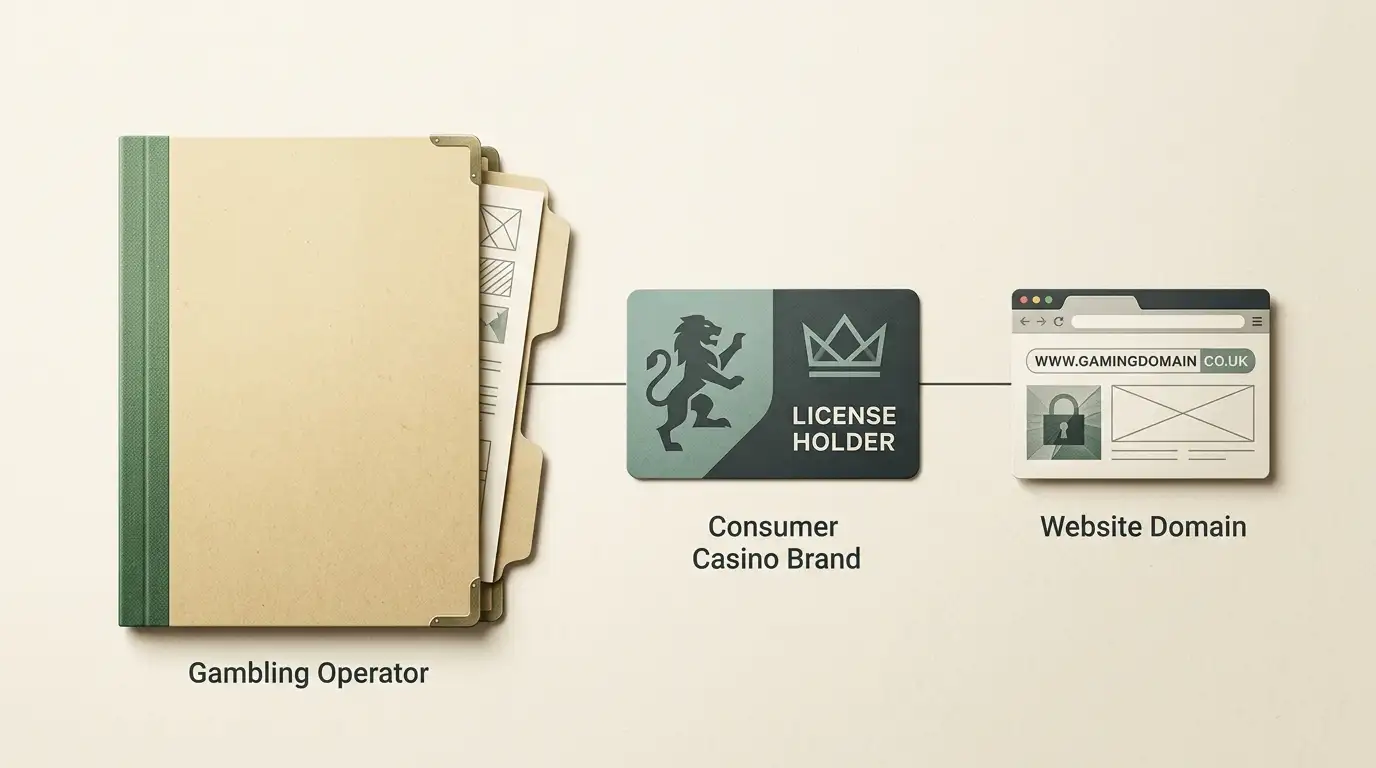
If you are still trying to establish whether the casino itself is open, read the Kachingo current status page first. It explains the inactive domain record and the difference between the closed brand and the operator-level Gambling Commission record.
A legacy balance claim is not a live cashier withdrawal
Kachingo is closed and there is no current Kachingo deposit or withdrawal cashier. That makes a post-closure balance issue fundamentally different from a normal withdrawal request submitted to an operating casino. A former customer is dealing with a legacy account liability or complaint, not choosing a payment method inside a live cashier.
This distinction prevents two common mistakes. The first is following an old review that still describes historical payment options as if they were available now. The second is treating an inactive login or cashier page as proof that an outstanding claim has disappeared. Neither approach answers the post-closure question.
An old bank or e-wallet transaction may help identify the account event at issue. The historical Kachingo banking options describe former payment categories, but old cashier methods are not instructions for obtaining money from the closed casino.
What Gambling Commission closure guidance says about customer funds
The Gambling Commission tells licensed gambling businesses to plan for closure so customers are not unnecessarily disadvantaged. Its current guidance expects clear customer information, attempts to meet liabilities and continued routes for contact and Alternative Dispute Resolution. For remote operators, the guidance specifically addresses how customer funds are returned after the main website stops operating.
That guidance is useful because it separates the closure of a website from the handling of customer money. A domain can stop operating while the business still has responsibilities connected with old accounts and unresolved complaints. The guidance also says customers should retain a way to contact the business after closure for unclaimed funds or complaints.
Gambling Commission closure guidance sets expectations for licensed businesses, but it does not decide an individual Kachingo balance claim. The former customer’s account records, complaint history and any eligible dispute-resolution process determine the relevant next steps.
Read the Commission’s current closure guidance directly at gamblingcommission.gov.uk.
The complaint sequence for a former Kachingo account
The Gambling Commission’s consumer guidance is clear about the order. A customer should complain to the gambling business first and follow its complaint process. The complaint should include the relevant dates, money amounts and evidence, and the customer should keep a copy of what was submitted.
If an eligible dispute remains unresolved after the business process, the next stage is Alternative Dispute Resolution. The Commission itself does not adjudicate individual gambling transaction complaints. That means sending an unresolved withdrawal dispute to the regulator as if it were the operator’s customer-service desk is not the normal route for obtaining a transaction decision.
Use the contact details attached to your own Kachingo account
Use the support or complaint details in your own closure email, account correspondence or direct Kachingo notice. Keep that original message with your evidence file, and verify the ADR route supplied for the complaint before sending account information to a third party.
The regulator’s current consumer complaint guide is available at gamblingcommission.gov.uk. The Kachingo regulatory record page explains the operator and domain status that sit behind this process.
The former player should distinguish confirmation that a complaint was received from an actual resolution of the balance or transaction. Keep both the submission and the business’s response, along with any date or reference supplied. If the matter qualifies for ADR, the next stage depends on the unresolved dispute and the applicable process, not on an estimated withdrawal time taken from a pre-closure review.
Build one evidence file before you escalate
A concise, chronological record makes an old account issue easier to explain. Keep the material that identifies the account and shows what happened without sending unrelated personal information.
- the email address or username used for the Kachingo account;
- the account number or reference, if one appears in saved correspondence;
- the amount of the balance or withdrawal in dispute;
- the transaction reference and date, if available;
- account captures or statements that show the balance or withdrawal request;
- copies of earlier support messages and the dates they were sent;
- any closure email or notice that gives a support or complaint route;
- the date of the formal complaint and any final response.
Do not alter account captures or transaction records. Keep the originals and make a separate note explaining what each item shows. If a document contains sensitive personal data that is not needed for the dispute, retain the original privately and share only what the verified recipient requests through the appropriate process.
A simple timeline can distinguish the date money left the payment account, the date Kachingo recorded it, any withdrawal request and subsequent replies. Include the amount and transaction identifier where available, and keep the original documents rather than replacing them with a summary. If a response refers to a complaint or dispute reference, retain it with the same sequence. These details help identify what remains unresolved without relying on an old promotional page or an assumed cashier processing time.
Do not rely on stale login, bonus or payment pages
Closed casino brands can leave behind indexed pages, cached snippets and third-party reviews. Those pages are useful for reconstructing history, but they are poor instructions for a live account problem. Kachingo’s current position is closure, with the former domain recorded as inactive, so an old cashier image cannot establish a current withdrawal route.
An old normal processing-time claim is not a deadline for a post-closure dispute. Former players should use the account correspondence and any confirmed post-closure instructions for their case, rather than assuming the old cashier’s processing times, limits or KYC requirements remain in force.
What ADR and the Gambling Commission can and cannot do
ADR is the dispute stage for eligible cases that remain unresolved after the operator complaint process. Its role is different from the Gambling Commission’s regulatory role. The Commission sets and enforces regulatory requirements, but its public guidance says it does not resolve or make decisions on individual gambling transaction complaints.
That division matters for a former Kachingo player. A regulator record can establish the operator and domain status, and regulator guidance can establish the expected complaint path. It cannot decide from a webpage whether your balance is owed, whether evidence is complete or what the final transaction outcome should be. Those questions belong in the documented complaint and, where applicable, ADR process.
Keep the account dispute separate from the old cashier
A former payment method is evidence about how the casino once moved money, not proof of a current route for recovering a balance. After closure, keep the focus on the account record, the complaint trail and any verified operator or ADR route rather than retrying old cashier instructions. That separation makes it easier to show what happened to the individual transaction without treating historical banking information as live service guidance.
What former Kachingo players can still do about outstanding funds
There is no live Kachingo cashier to revisit, but a former player can still organise the claim properly. Identify the old account, record the exact balance or transaction, use the direct closure or complaint contact from existing Kachingo correspondence, submit one complete written complaint and preserve every response. If the eligible dispute remains unresolved after the operator process, follow the ADR route attached to that complaint. Use the Gambling Commission for current regulatory information rather than expecting it to decide the individual transaction. This process does not guarantee recovery, but it gives an outstanding Kachingo balance the clearest documented route available after the casino’s closure.
Prepared by the Kachingo Casino editorial staff.